
Marketing is a System, Not a Campaign
- luminiorofficial
- Feb 11
- 3 min read

Most brands are visible.
Few are growing predictably.
If marketing were just ads, social posts, influencers, and videos… then visibility alone would guarantee revenue.
It doesn’t.
Because promotion is what people see. Marketing is what quietly shapes how they decide.
Marketing is the system that turns attention into revenue—predictably, repeatedly, and at scale. To understand that, you have to look beneath the campaigns and into the micro-moments that actually influence human behaviour.


Attention Isn’t Valuable — Until It Changes Form
Attention isn’t success; it’s just raw material.
Someone scrolling past your ad is not the same as someone comparing options. Someone comparing options is not the same as someone ready to buy.
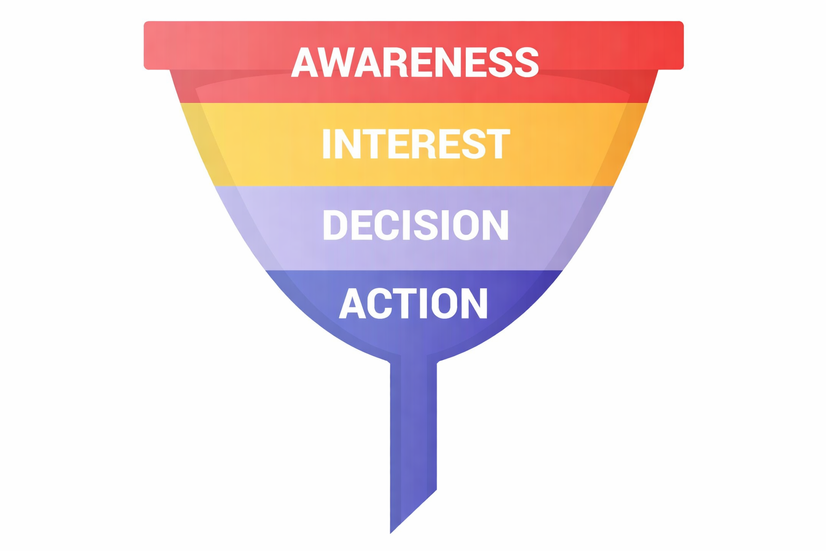
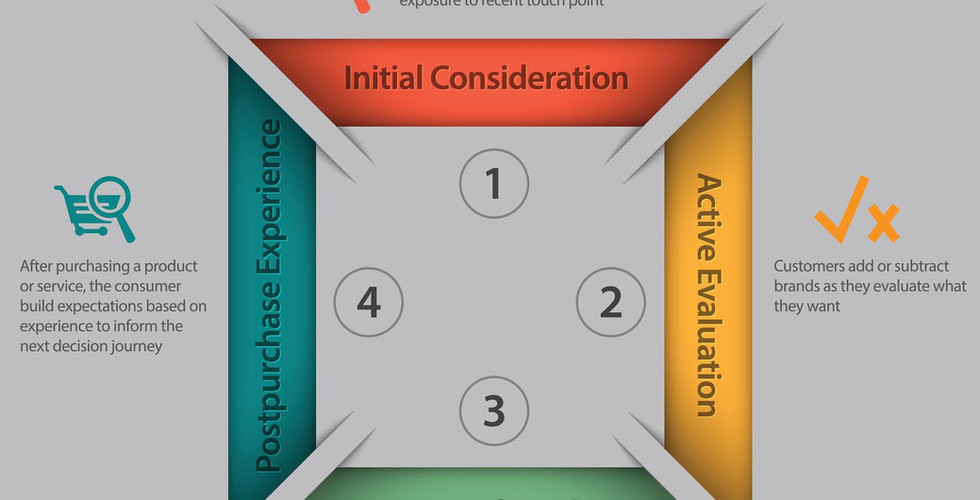
Attention evolves through stages:
Stage | What’s happening mentally | Revenue readiness |
Casual | This looks interesting | Low |
Evaluative | Is this right for me? | Medium |
Decisive | Should I buy this now? | High |
Most marketing efforts try to increase the volume of attention. Very few are designed to upgrade the quality of that attention. That upgrade—from curiosity to consideration to decision—is where marketing begins to behave like a system.






The First 5 Seconds Decide the Next 5 Minutes
Before a single sentence is read, the brain has already formed an impression. In seconds, it asks:
Is this for someone like me?
Do I understand what this is?
Does this feel cheap, average, or premium?
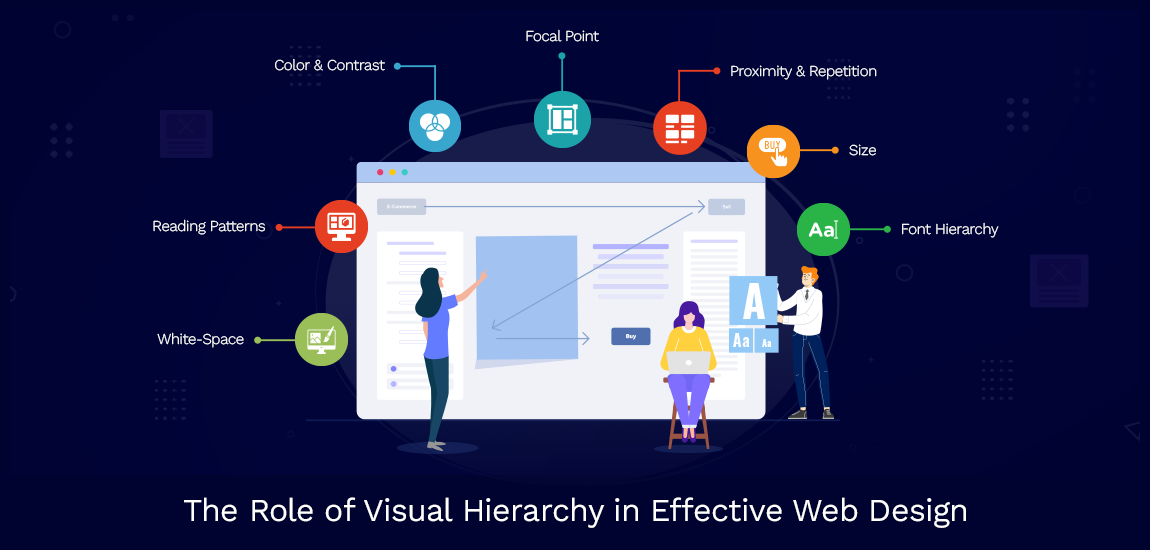
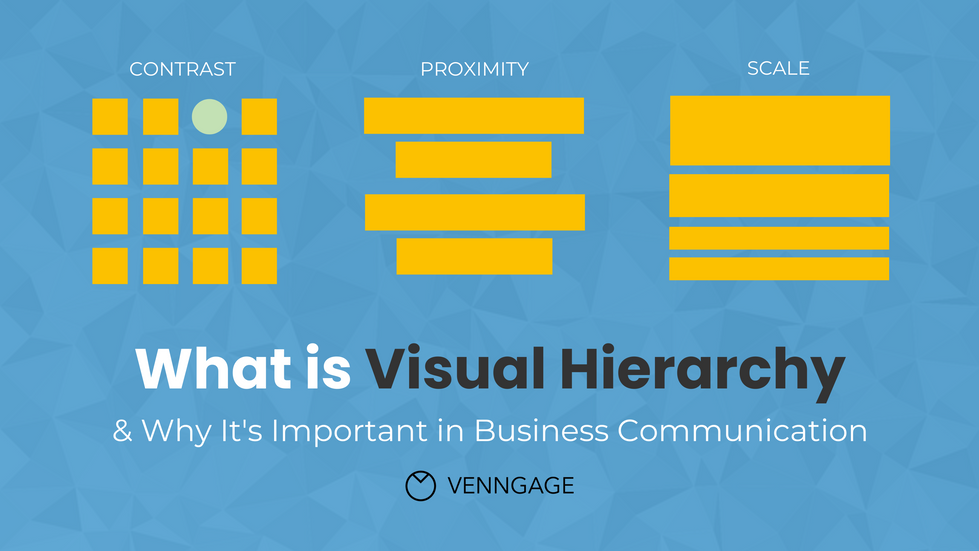
If the answer to any of these is unclear, attention drops—silently. This is why structure often matters more than copy. Visual hierarchy guides understanding; layout reduces confusion; image quality influences perceived value; and spacing affects mental comfort.
Before persuasion comes orientation. If people feel lost, they leave.


People Don’t Buy Products. They Buy Resolved Tension.
Every purchase resolves something. A discomfort. A problem. An insecurity. A desire for improvement.
Customers don’t wake up wanting “features.” They wake up wanting relief, progress, or transformation.
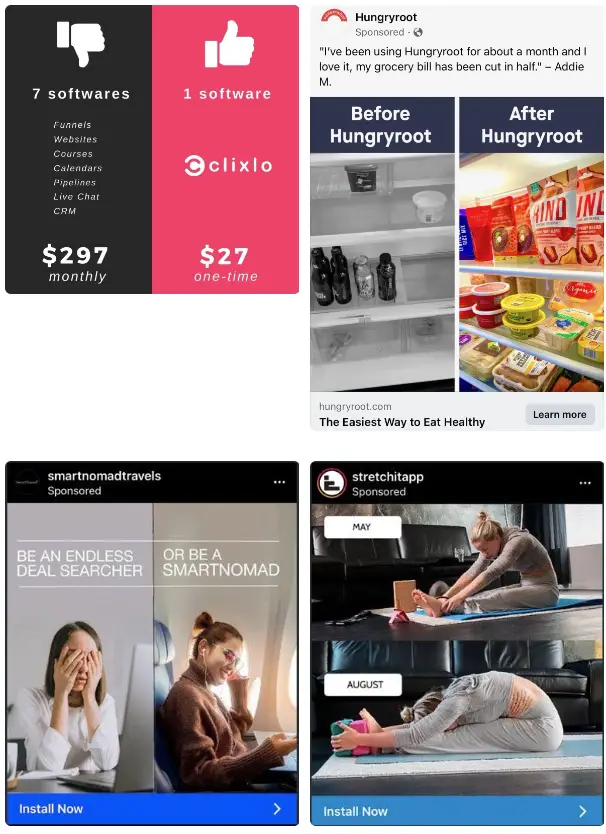
Marketing’s job is to clearly name that tension and position the product as the resolution. When brands talk about themselves before they talk about the customer’s internal tension, the brain doesn’t feel understood—and it stops listening.



The Invisible Battle: Desire vs. Doubt
Every buyer stands between two forces:
I want this.
But what if…
The decision to purchase happens only when desire outweighs doubt.
Most brands focus entirely on increasing desire—better visuals, bigger claims, louder messaging. But doubt is what actually blocks revenue. Doubt hides in quiet questions:
Is this brand legitimate?
Is this worth the price?
What if it doesn’t work for me?
Can I trust this website?
Has someone like me tried this?
Marketing works by systematically reducing doubt, not by shouting louder. That’s why reviews, guarantees, clear policies, testimonials, certifications, and consistent branding aren’t just "decoration." They are revenue infrastructure.




Why People Leave Without Buying (It’s Rarely Price)
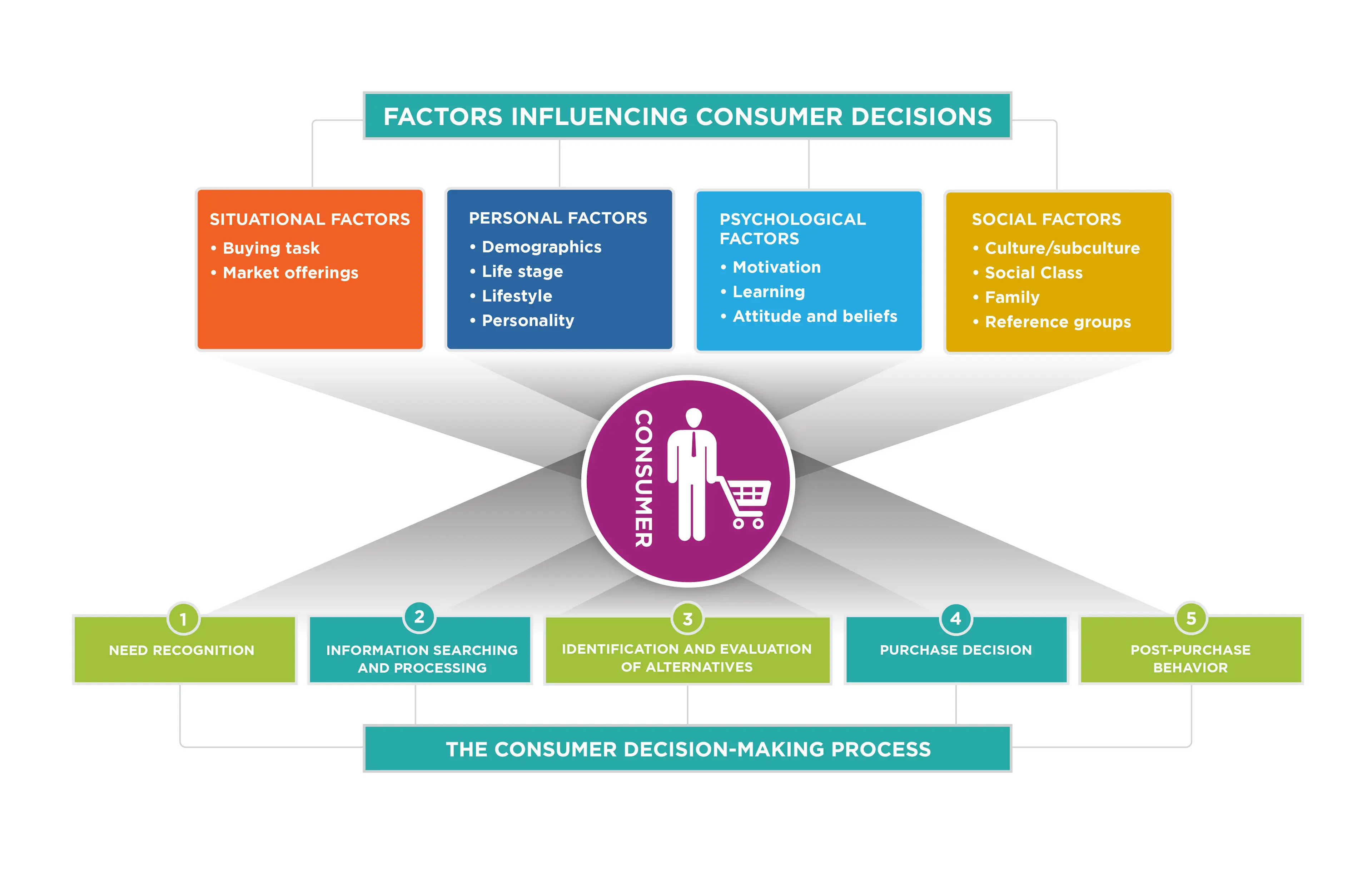
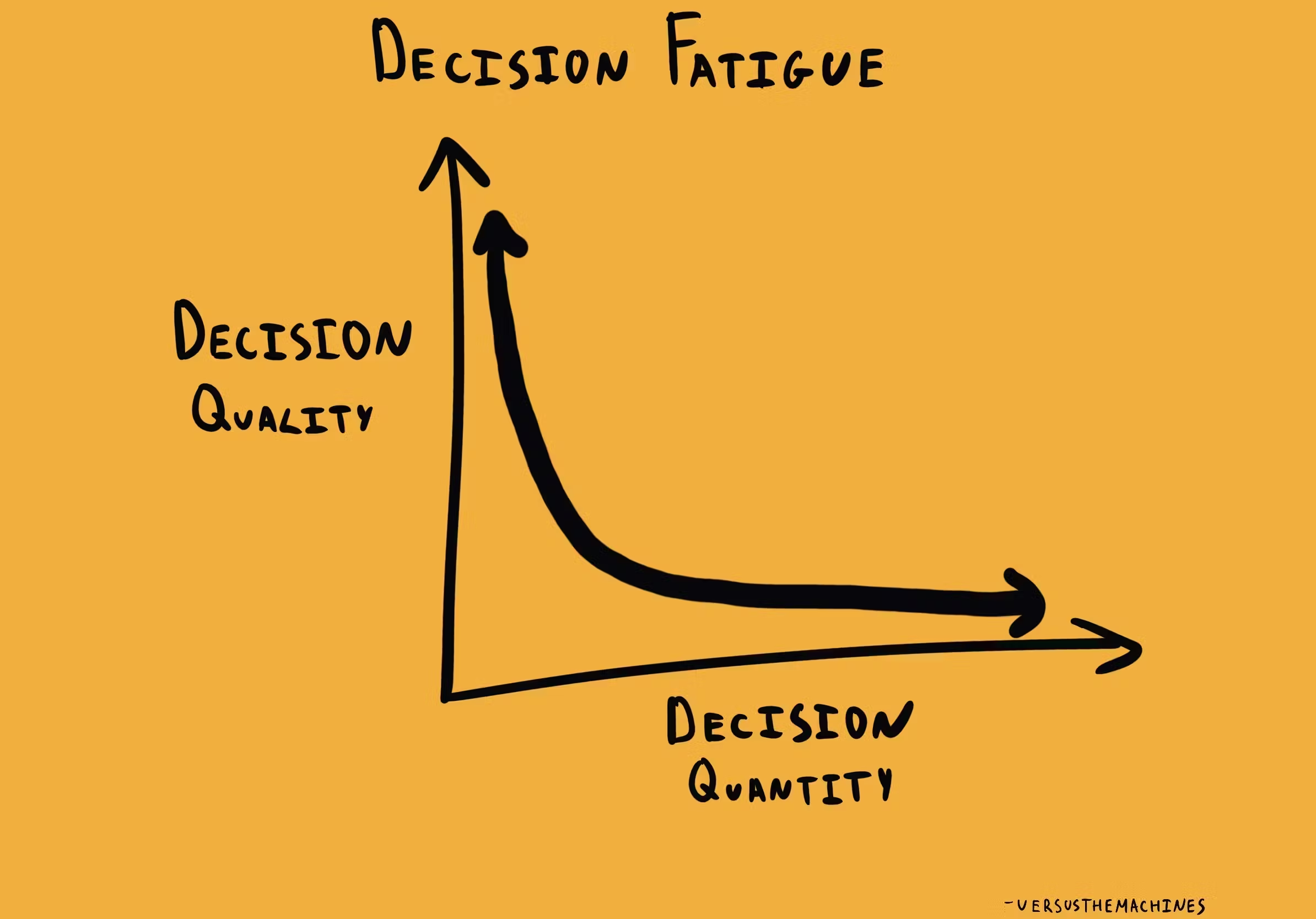
Most abandoned carts and drop-offs don’t happen because people can’t afford the product. They happen because the decision feels mentally heavy.
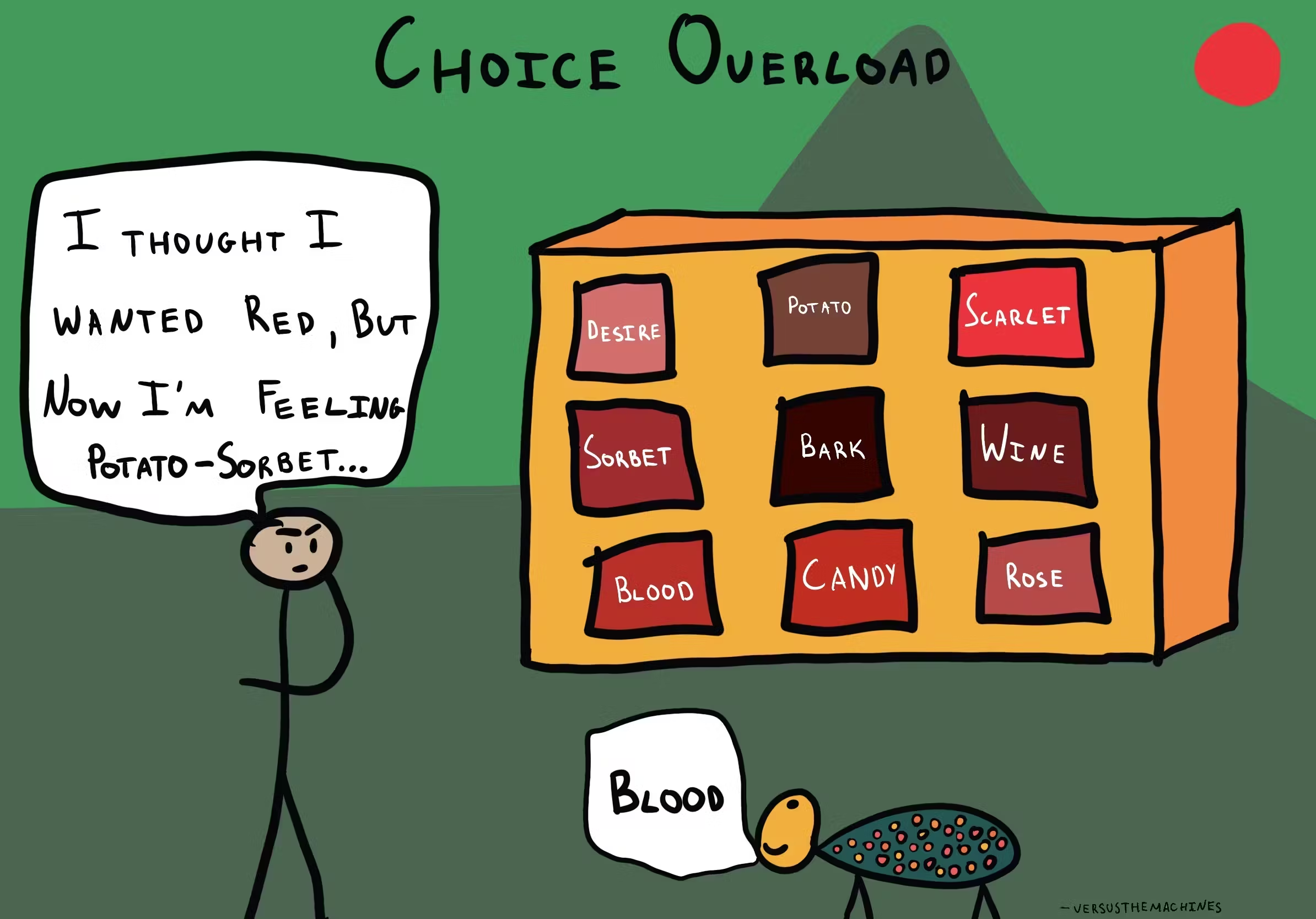
Too many choices. Too much information. Unclear differences between options. Uncertain outcomes.
Humans naturally avoid cognitive strain. Marketing reduces that strain by designing decisions that feel simple:
Clear comparisons
Structured pricing tiers
Short, benefit-led summaries
Visible bestsellers
Obvious next steps
When buying feels easier than delaying, conversions rise—even without lowering the price.




Trust Is Built Through Signals, Not Time
A new brand can feel trustworthy in minutes. An old brand can feel suspicious instantly.
Trust isn't built by age; it’s built by evidence density. The brain looks for stacked signals: professional design, real customer proof, a presence across credible platforms, transparent policies, and clear communication.
When signals align, the brain relaxes. When signals conflict, doubt resurfaces. Marketing controls how those signals appear—and how quickly trust forms.



Marketing Is Momentum Engineering
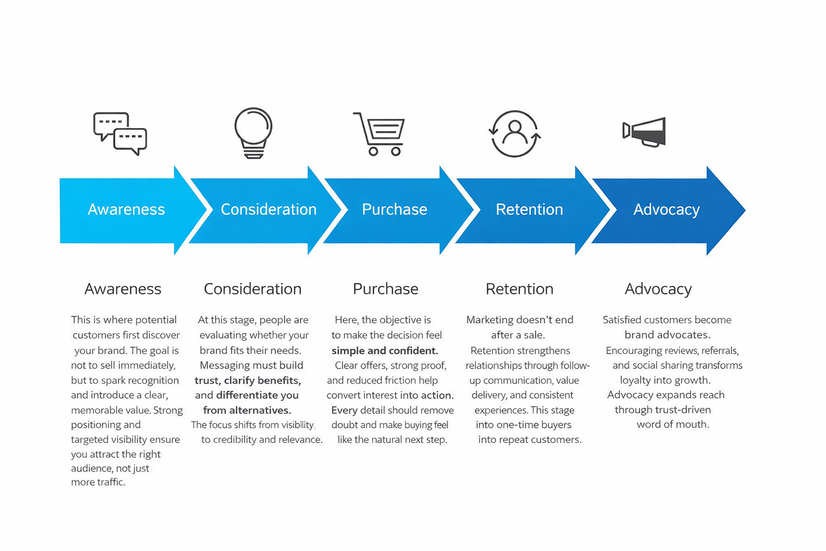
Very few people buy in a single interaction. They move step-by-step:
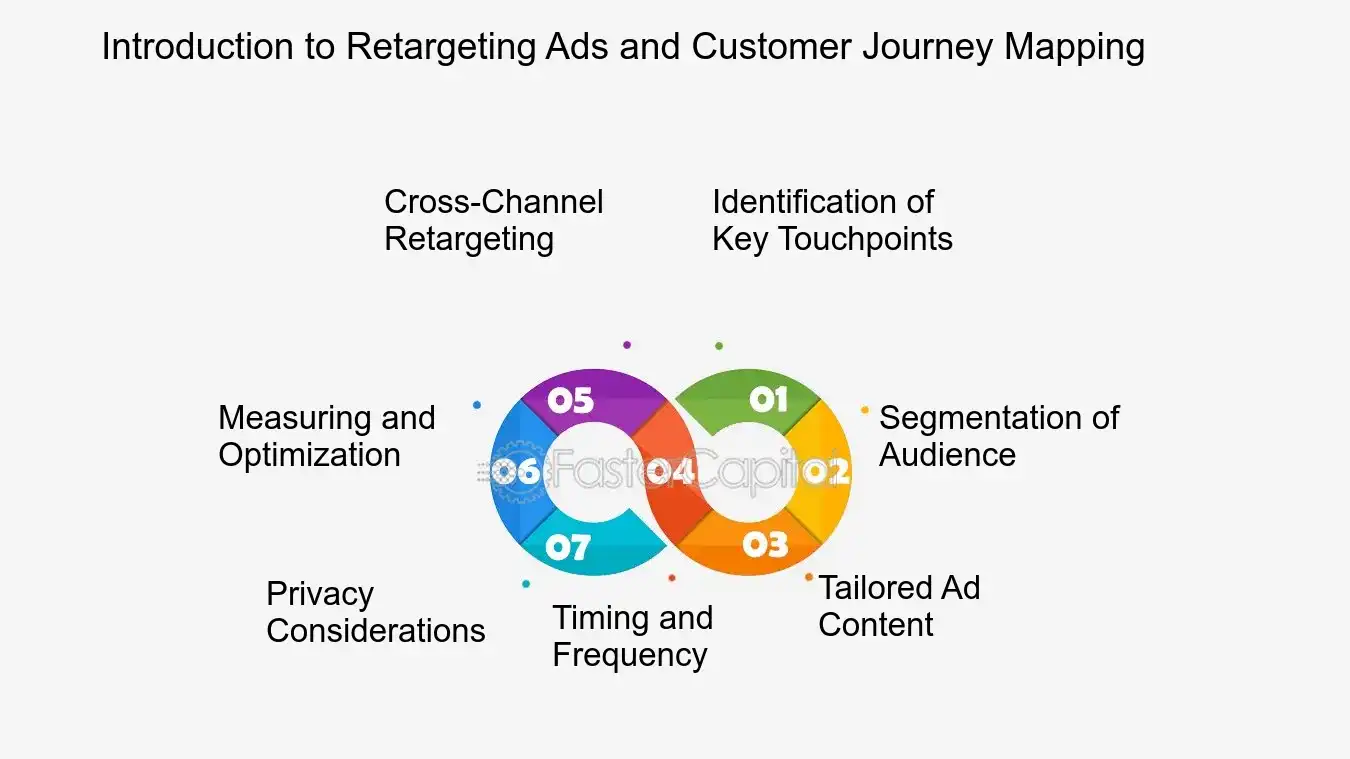
Ad → Website → Reviews → Social proof → Retargeting → Offer → Purchase → Follow-up
When these touchpoints are disconnected, each step feels like starting over. Momentum breaks. When they are connected, each interaction makes the next one feel natural.
Marketing is not about pressure; it’s about progression. Momentum makes buying feel like the obvious next step rather than a forced decision.




When Marketing Becomes a System, Revenue Becomes Predictable
Random tactics create random results. A post here, an ad there, an email sometimes—that’s activity, not a system.
A marketing system connects where attention comes from, what people see first, how trust is built, how doubt is reduced, how decisions are simplified, and how customers return.
When those parts work together, growth stops depending on luck. Revenue becomes something you can measure, improve, and scale.


The Real Definition
Marketing is not just promotion. It’s not just content or advertising.
Marketing is the structured design of attention, perception, trust, and decision environments that guide people toward a purchase—and back again.
Promotion brings visitors. Marketing turns them into customers. Systems turn customers into repeat revenue.
Everything else is just noise with a budget.
Comments